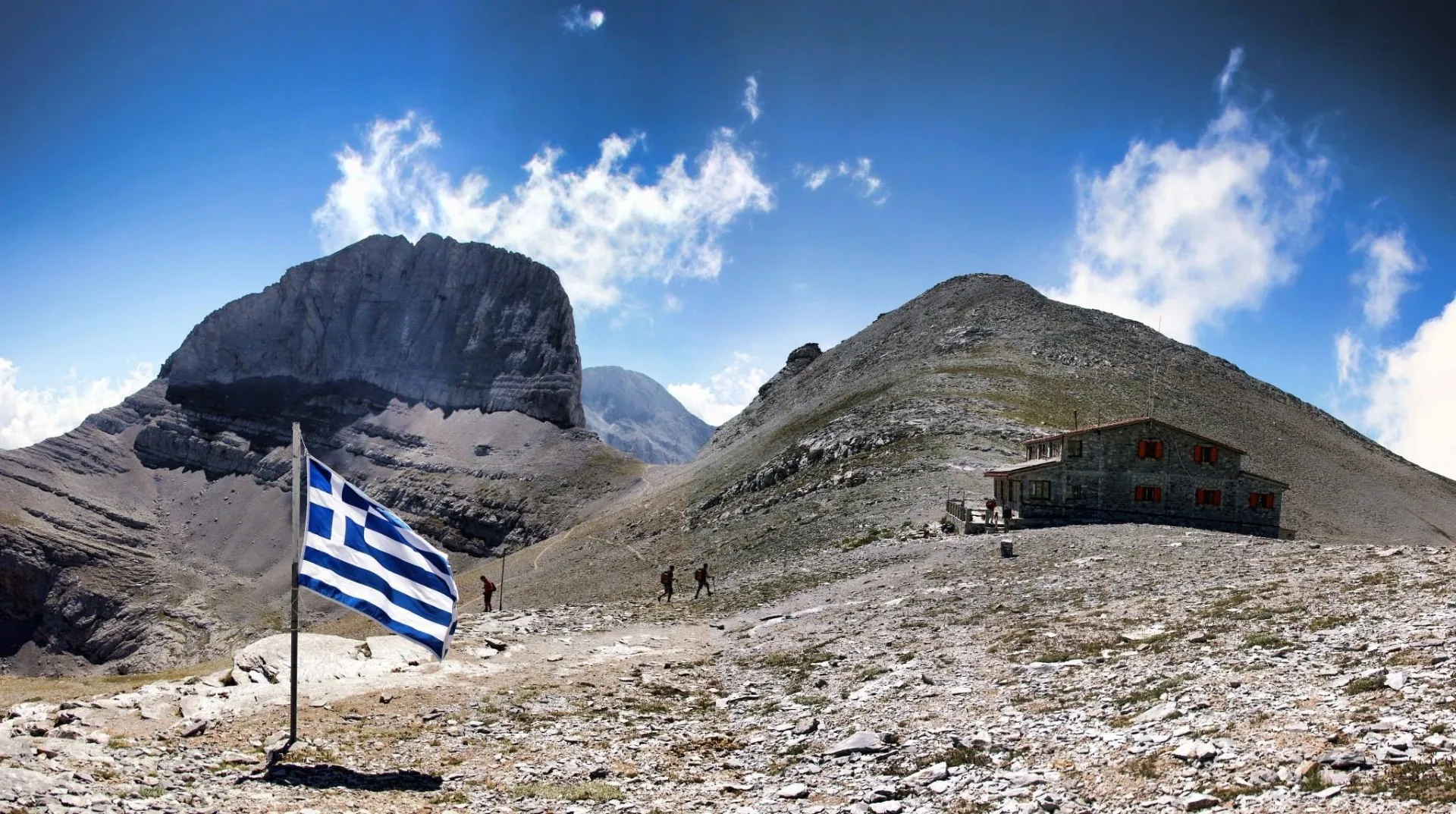
Is Mount Olympus dangerous?
Is Mount Olympus dangerous?
Mount Olympus is often described as a “non-technical” mountain, which leads many people to underestimate it. While large parts of Olympus are accessible hiking terrain, danger depends entirely on where you go, when you go, and how you manage risk.
Here is a realistic breakdown of what makes Mount Olympus safe—or dangerous.
1. Where Mount Olympus is generally safe
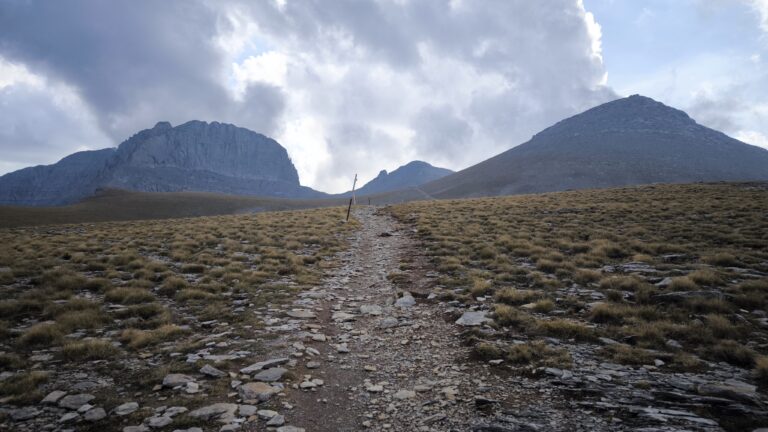
Most classic hiking routes on Mount Olympus, especially those leading to mountain refuges such as Spilios Agapitos (2,100 m), are:
- well-marked
- frequently used
- suitable for experienced hikers in good weather
In stable summer conditions, these routes pose low objective risk for prepared hikers with basic mountain awareness.
2. Where the risk increases significantly
Danger on Mount Olympus increases sharply when you move beyond normal hiking terrain.
High-risk factors include:
- exposed ridges
- steep gullies
- loose rock
- sudden weather changes
- poor visibility
These factors are especially relevant near the upper mountain and summit zone.
3. The Mytikas summit is not a normal hike
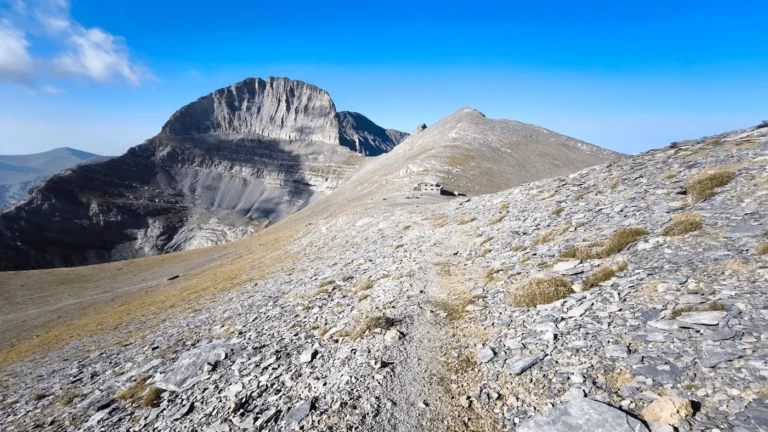
Mytikas (2,918 m), the highest peak of Mount Olympus, involves hands-on scrambling with exposure.
Key characteristics:
- no fixed cables or via ferrata
- fall consequences are severe
- route-finding matters
- conditions can change rapidly
Most accidents on Olympus occur near or below the Mytikas summit, not on the lower hiking trails.
4. Weather: the most underestimated danger
Weather is the single biggest risk factor on Mount Olympus.
Common hazards include:
- sudden storms
- strong winds
- fog and low visibility
- snow patches early or late in the season
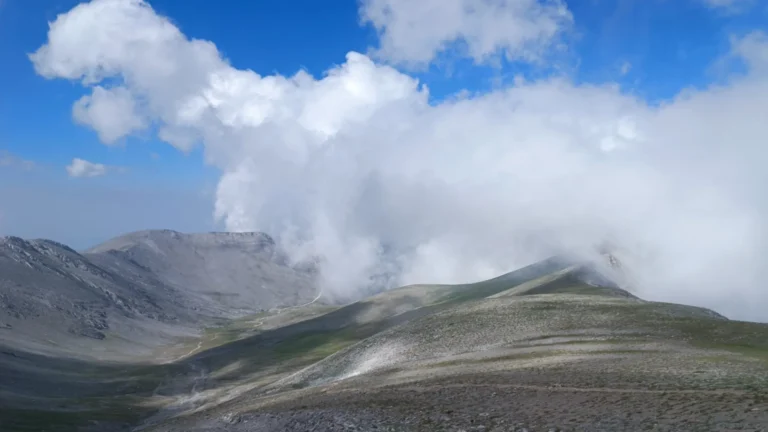
Because Olympus rises directly from sea level, weather can deteriorate faster than expected, even on days that start clear.
5. Human factors cause most incidents
The majority of incidents are linked to:
- poor timing
- overconfidence
- lack of experience with exposure
- incorrect decisions under pressure
- continuing upward despite worsening conditions
Physical fitness alone does not eliminate these risks.
6. How risk is typically reduced
Risk on Mount Olympus is reduced through:
- correct route choice
- conservative decision-making
- proper timing
- experience with exposed terrain
- professional assessment of conditions
This is why many hikers choose professional guidance specifically for summit attempts, even if they hike independently to the refuge.
👉 If your goal is to attempt Mytikas under variable conditions with experienced decision-making, you can see our fully guided 2-day Olympus summit experience here.
Final thoughts
Mount Olympus is not inherently dangerous, but it is unforgiving of mistakes in the upper mountain.
Understanding where the real risks are—and how they are managed—is far more important than focusing on the mountain’s reputation.
Good decisions matter more than strength.